July 30, 2026
Excavation forms the bedrock of modern construction, preparing raw land for diverse developments. These operations ensure a site is stabilized and ready for subsequent building phases, ranging from commercial structures to utility pipelines. Understanding the challenges inherent in earthmoving projects allows owners to appreciate the precision required within this industry. This initial phase represents the primary step of any development, establishing the foundation for every activity that follows. Without proper early site preparation, the structural integrity of the final building remains compromised, creating long-term safety hazards. Project managers recognize that partnering with professional excavating companies remains the most effective method to mitigate these initial site risks and secure long-term project longevity.
Analyzing the Basics of Earthmoving
Professional excavating companies manage an array of essential field tasks, focusing on site preparation, grading, trenching, and foundation digging. Teams ensure that local terrain matches building specifications, requiring systematic removal of topsoil, rocks, and subterranean debris. Their responsibilities extend to reshaping raw land to match detailed grading plans designed by engineers. By clearing and preparing development sites accurately, these field professionals prevent major structural shifts and drainage challenges during later stages. This labor ensures that subsequent crews work on a stable surface that forms the core of civil engineering.
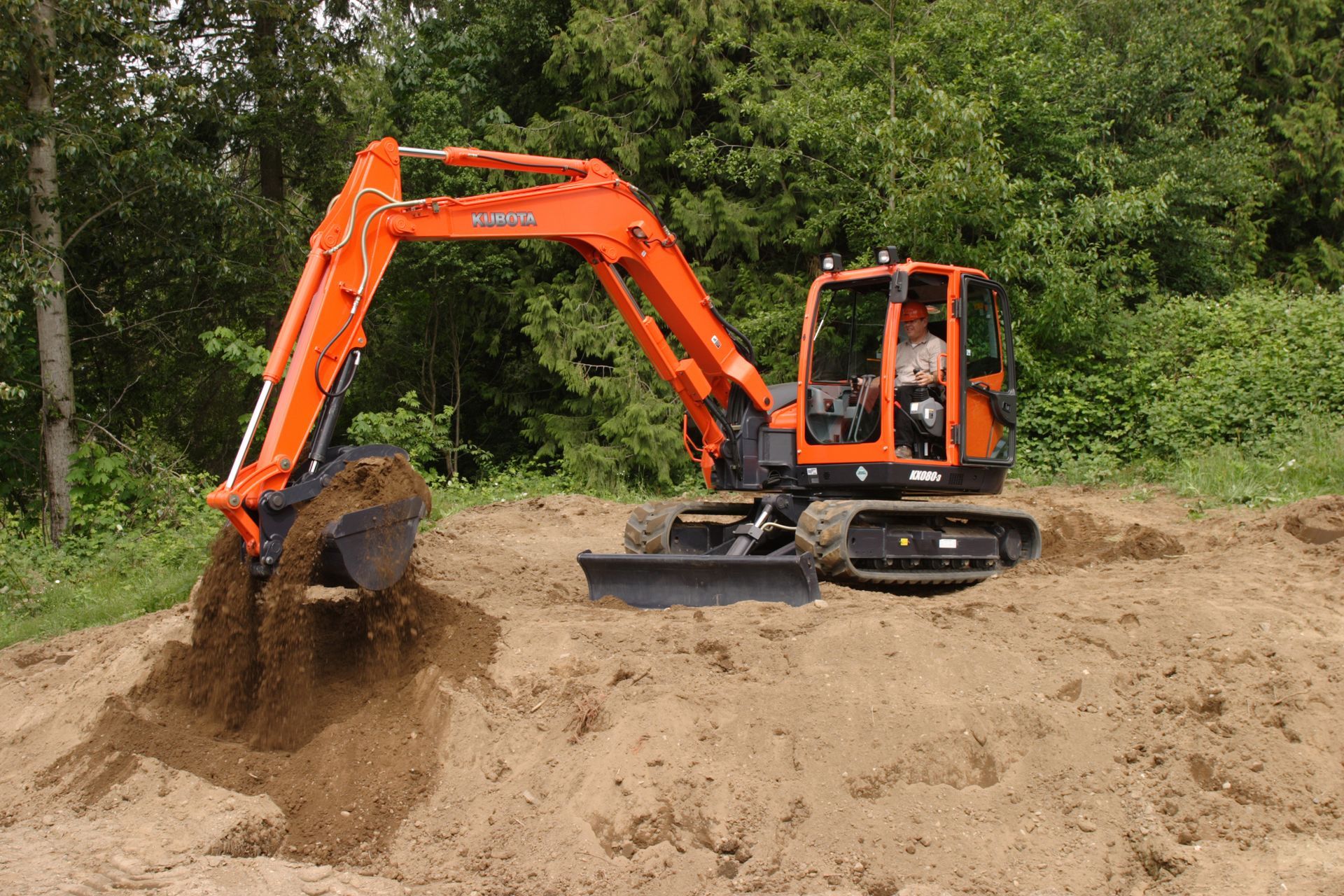
Executing these projects requires clear mastery of distinct digging methodologies alongside familiarity with complex field terminology. Contractors utilize precise trenching for underground utilities, dredging operations for clearing waterways, and earthmoving strategies for shifting soil across landscapes. Operators describe these processes using terms like cut and fill to denote leveling ground, or shoring and benching to prevent trench wall collapse. Heavy machinery remains central to these efforts, utilizing backhoes for utility trenches, bulldozers for broad grading, and excavators for deep foundation work. Adhering to rigorous safety protocols keeps field workers safe, using protective gear and constant site inspections to maintain control over soil conditions.
Hiring the Right Professional Team
Securing a qualified contractor requires project owners to analyze specific parameters and geological constraints of their development site before signing contracts. This planning involves defining the overall scope of earthmoving work, mapping underground utilities, and creating realistic project timelines that account for weather and ground conditions. Soil composition plays a role in scheduling, as dense clay or unexpected subterranean obstructions alter the duration of initial site preparation. According to HomeGuide, the timeline for digging can span from 1 to 3 days for minor assignments to 3+ weeks when dealing with expansive sites or challenging obstacles like subterranean rock shelves, heavy boulders, and dense soil. Identifying these variables early helps managers select capable excavating companies equipped with the specific heavy machinery required to handle unique regional challenges.
Conducting comprehensive research on local contractors involves evaluating corporate records, verifying active operational licenses, checking liability insurance, and comparing detailed financial estimates. Project owners must ensure that potential partners hold valid state credentials necessary to operate heavy machinery legally within regional borders. Reviewing past project portfolios and speaking directly with references provides excellent insight into a team's history of adhering to budgets. Comparing detailed itemized bids allows stakeholders to identify hidden fees and evaluate the balance between competitive pricing and high-quality field performance. Executing this thorough vetting process ensures a smooth, collaborative working relationship that keeps the job site safe and financially sound.
Navigating Regulatory and Environmental Rules
Navigating the complex landscape of municipal permits and zoning regulations stands as a critical phase of any legal earthmoving project. Local governments enforce strict zoning mandates to control land use, protect public infrastructure, and manage potential disruptions to neighboring properties. Obtaining appropriate permits before moving any soil prevents expensive legal fines, forced project shutdowns, and complicated litigation down the line. Experienced excavating companies understand how to navigate these local bureaucratic channels, ensuring all structural blueprints align with environmental protection acts. This compliance protects the investment and guarantees that the entire development proceeds on a legally sound foundation from the very beginning.
Mitigating the environmental footprint of heavy digging operations involves conducting thorough site impact assessments and implementing strict soil erosion controls. Heavy earthmoving naturally disrupts local ecosystems, requiring contractors to utilize advanced silt fences, sediment basins, and strategic topsoil preservation methods. Responsible waste management plans ensure that displaced soil, shattered rock, and cleared vegetation are disposed of at certified ecological facilities. Embracing sustainable practices allows excavating companies to minimize carbon emissions by utilizing modern, fuel-efficient machinery. Prioritizing these conservation efforts protects surrounding water systems, preserves regional biodiversity, and fosters positive relationships with local community boards and environmental regulators.
Adopting Innovative Industry Technologies
Integrating cutting-edge technology has fundamentally transformed how modern excavating companies plan, execute, and monitor complex earthmoving assignments. Advanced machinery now comes equipped with automated laser-guided systems and integrated global positioning systems, providing operators with real-time terrain data. These telemetry systems allow for extreme accuracy when cutting grades or digging deep foundations, eliminating manual surveying errors. Utilizing autonomous drones allows project managers to capture high-definition aerial imagery and generate precise topographic maps of large sites quickly. These technological tools streamline initial assessments, optimize machinery deployment, and provide stakeholders with clear, transparent updates regarding physical progress on the ground.
Embracing digital management platforms and robotic automation represents the next major evolutionary step for forward-thinking contractors operating within the heavy construction sector. Dedicated project management software solutions seamlessly unify scheduling, budget tracking, resource allocation, and team communication into a single accessible digital hub. Meanwhile, the gradual introduction of semi-autonomous machinery and robotic digging systems helps address ongoing labor shortages while maximizing onsite operational efficiency. These innovations improve overall workplace safety by allowing operators to control equipment remotely when navigating highly hazardous terrain. As these digital systems evolve, they promise to deliver an efficient, adaptive, and highly resilient framework for the entire construction industry.
Reviewing Project Costs and Economics
Managing the intricate financial variables of an earthmoving project requires an in-depth understanding of material costs, labor rates, and equipment expenses. Total expenditures fluctuate based on the specific volume of dirt moved, the depth of required trenches, and the specific composition of the underlying soil. Challenging terrain requires specialized attachments, which elevate equipment rental fees and increase overall fuel consumption during daily operations. Unfavorable economic conditions, such as supply chain disruptions or sudden fuel price spikes, can alter project budgets quickly, making contingency planning essential. Project managers must create realistic budgets that account for these external market forces to maintain fiscal stability throughout the development cycle.
Evaluating detailed financial proposals from competing excavating companies demands a meticulous review of itemized line items to ensure accurate cost forecasting. Stakeholders must carefully analyze proposals to confirm that hauling fees, debris disposal costs, and permit acquisition expenses are explicitly included in the price. Calculating long-term return on investment involves looking past initial upfront costs and recognizing the immense value of superior craftsmanship. Investing in high-quality site preparation prevents foundation settling, mitigates future drainage disasters, and minimizes maintenance costs over the lifespan of the building. Selecting financially stable service providers ensures that the project remains well-funded, compliant with regulations, and fully capable of delivering exceptional long-term value.
Understanding the vital role of site preparation highlights why selecting the right partner remains essential for any successful construction development. From analyzing initial soil mechanics and navigating strict environmental permits to embracing cutting-edge automation, the modern earthmoving industry requires immense skill and specialized expertise. As regional demands evolve, partnering with proven professionals ensures your project starts on stable ground and avoids costly structural complications later. We are fully prepared to guide your next development project toward absolute success, so please contact Tri-State Septic and Drain Cleaning, Pike County Excavating LLC, so we can bring your vision to life.