September 11, 2026
Navigating home maintenance often feels like a puzzle, especially when handling underground waste management systems. Scheduling septic tank services ensures your household plumbing runs smoothly without unexpected backups or structural failures. Knowing what happens during a professional service appointment takes the mystery out of the overall process. Preparing your property ahead of time ensures quick access for the arriving service crew. Arranging these routine appointments protects your property value while preserving local environmental health and personal comfort.
Regular checkups keep your wastewater treatment functioning cleanly while protecting your primary household financial investment. Qualified industry professionals evaluate every vital component, from the inlet pipe to the drain field, identifying minor issues before they escalate into emergencies. Routine oversight prevents expensive structural damage and messy pipe clogs from developing unnoticed over time. Preventative care ultimately guarantees long-term peace of mind for every responsible homeowner. Investing in ongoing care saves substantial money compared to replacing ruined underground infrastructure. Protecting domestic sanitation requires proactive monitoring from knowledgeable technicians who understand unique local soil conditions and environmental requirements.
Inspecting System Components
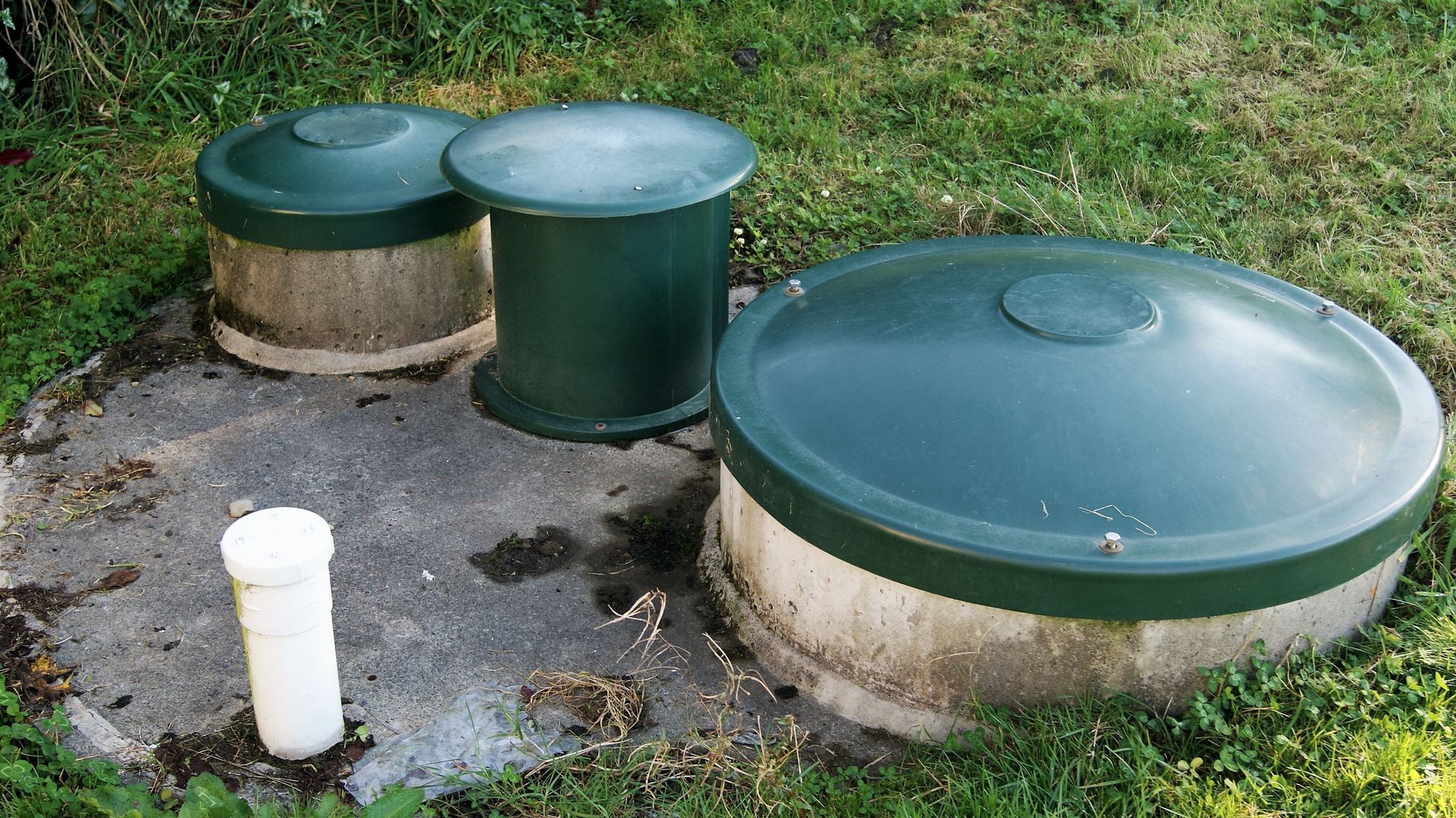
Technicians begin by gathering historical details about your property layout and past pumping schedules. They locate subterranean access lids, carefully removing covers to inspect liquid levels within the primary compartment. Careful evaluation of internal liquid height reveals whether the system operates at normal structural capacity. Servicing personnel examine inlet and outlet baffles to verify proper wastewater routing through the unit. Identifying early signs of wear prevents major mechanical disruptions later on. Comprehensive evaluations establish clear baseline operational metrics for every property.
Visual assessments reveal structural integrity, showing if baffles remain intact or if groundwater leaks into the system. Professionals use specialized measuring tools to check the depth of sludge layer build-up inside. These initial measurements dictate the exact operational steps required during the service visit. Technicians document all initial observations to update your household maintenance history. Clear documentation helps monitor overall system health across multiple service appointments over time. Diligent record-keeping ensures future service crews understand historical performance trends.
Pumping Out Accumulated Waste
High-powered vacuum trucks remove solid waste and liquid effluent directly from the main containment unit. Technicians agitate the contents to break up settled sludge, ensuring comprehensive extraction during the operation. Thorough stirring prevents heavy debris from remaining stuck to the lower chamber bottom. Operating the powerful extraction equipment requires trained personnel to prevent internal structural damage. Complete removal ensures proper operational volume for future household liquid waste. Thorough pumping prevents solids from migrating into sensitive downstream components.
According to HomeGuide, an underground wastewater container constructed from cement yields a functional lifespan between two and three decades when receiving appropriate care. Promptly clearing waste prevents solid materials from overflowing into sensitive discharge areas downstream. Regular extraction remains the single most effective way to avoid complete system failure and public health hazards. Servicing crews transport the extracted materials safely to certified municipal disposal facilities. Routine pumping schedules remain the cornerstone of effective domestic plumbing care. Diligent pumping protects property values and surrounding ecosystem safety.
Cleaning Filtration Mechanisms
Wastewater units frequently utilize specialized filters to stop floating debris from escaping into discharge pipes. Servicing personnel remove these components, spraying away accumulated solids to restore optimal liquid flow rates. Washing these parts thoroughly prevents tiny particles from clogging sensitive downstream components over time. Clean filtration units reduce strain on secondary treatment areas, enhancing total system performance. Regular washing extends the overall operational lifespan of these essential protective devices. Maintenance technicians inspect filter meshes for tears or material degradation during every cleaning procedure.
Routine washing prevents blockages that force dirty water back into home fixtures unexpectedly. Clean filters maintain uniform pressure throughout domestic plumbing networks during daily operation. Technicians reinsert the clean filters carefully to maintain proper directional flow through the primary chambers. Verifying filter alignment prevents unintended bypass of floating solid waste materials. Maintaining clear filters guarantees uninterrupted liquid movement throughout your property. Clean components protect overall plumbing investment efficiency year after year.
Testing Fluid Drainage Fields
Effluent moves from primary chambers into surrounding soil via distribution pipes within the disposal area. Professionals examine soil absorption zones for signs of oversaturation, standing sewage, or unusual vegetation growth. Unusually lush grass often indicates that wastewater is surfacing prematurely above ground levels. Servicing agents check distribution boxes to ensure equal fluid distribution across all underground lines. Identifying localized blockages early protects the entire absorption field from complete failure. Environmental testing ensures effluent disperses safely without pooling near surface zones.
Properly functioning drain fields process liquid safely without contaminating nearby groundwater sources or natural features. Identifying slow absorption early protects long-term soil health and the surrounding local environment. Technicians may perform controlled flow tests to verify that liquid distributes evenly across the absorption area. Restoring balanced flow prevents costly soil restoration and reconstruction projects later. Regular monitoring preserves natural soil absorption capabilities for continuous usage. Proper drainage keeps household yards clean, safe, and fully usable.
Evaluating Structural Integrity
Tank walls must remain solid to prevent environmental contamination and internal system collapse over time. Specialists look for surface cracks, root intrusions, or severe corrosion along upper interior surfaces. Catching structural flaws early prevents complete containment failure and costly excavation work later on. Technicians inspect internal dividing walls to ensure wastewater separates correctly during treatment phases. Structural evaluations provide homeowners with confidence regarding subterranean unit stability. Early identification of structural defects allows for targeted repairs before total unit replacement becomes mandatory.
Evaluating pipe connections guarantees seamless flow between home drains and primary holding areas without leakage. Discovering structural flaws early minimizes overall repair expenses over extended periods. Technicians check rubber seals and baffles to confirm watertight security throughout the entire unit. Securing structural elements prevents outside water intrusion during periods of heavy local rainfall. Timely structural maintenance preserves unit reliability during changing seasonal conditions. Sound structural foundations preserve overall household plumbing safety.
Recommending Future Preventive Care
Following completion of physical work, specialists provide comprehensive maintenance records for household files. They detail current waste levels and outline customized intervals for future septic tank services. Keeping clear service records helps track long-term performance and property resale value effectively. Technicians explain practical tips to help household members adjust daily water consumption patterns. Professional guidance empowers homeowners to protect their systems between scheduled maintenance visits. Clear service histories demonstrate responsible homeownership to future prospective buyers.
Adhering to recommended service schedules prevents sudden plumbing failures and maintains property values overall. Proper care keeps entire disposal systems running cleanly and efficiently for decades. Homeowners benefit immensely from establishing a consistent schedule for routine septic tank services. Consistent record-keeping simplifies future home sales by demonstrating diligent property stewardship. Partnering with certified technicians ensures long-term operational success for subterranean plumbing systems. Reliable maintenance plans deliver ongoing stability and total household convenience.
Here are key habits to prolong system health:
- Conserve domestic water usage to avoid overwhelming total system handling capacity.
- Avoid flushing non-biodegradable items, harsh chemicals, or heavy grease down interior household drains.
- Keep heavy vehicles off the drain field to prevent soil compaction and pipe crushing.
- Schedule professional septic tank services regularly to monitor ongoing system performance.
- Plant only shallow-rooted vegetation near underground components to prevent root intrusion damage.
Maintaining clean plumbing requires consistent attention from trained industry experts. Contacting professionals for septic tank services preserves home sanitation, protects local ecosystems, and guarantees worry-free waste management. Prioritizing routine maintenance ensures your home infrastructure remains fully functional year after year. Dependable waste management protects public health while maximizing household convenience. Secure your home peace of mind today by scheduling professional
septic tank services with Expert Plumbing Solutions.